
Joanna and I have spent years exploring Southeast Asia, and if there is one thing we have learned, it is that choosing between Vietnam and Thailand is not just about beaches, food, or cheap rent. Did you know that the critical savings threshold you must prove to qualify for the new 5-year Thailand Destination Thailand Visa (DTV) is 500,000 THB (approximately $14,500 USD)?
For people over 50, the real questions are much deeper: visa stability, healthcare, cost of living, lifestyle, work options, energy, safety, community, and whether the country actually fits the life you want to build. We are Maurice and Joanna, and through Nomads By Choice After 50, we share our real experiences of living, working, and training abroad.
Thailand’s DTV visa looks incredibly attractive because it can offer a longer framework for people who want to live more freely and embrace the digital nomad lifestyle, but it also comes with rules, paperwork, and a degree of uncertainty. On the flip side, Vietnam can feel simpler in some ways, with a straightforward e-visa system, but it may require more planning if someone wants to stay long-term.
As we often say on our site, Nomads By Choice After 50 is based on real lived experience—we have lived and worked in Thailand, Vietnam, Greece, Indonesia, and other countries. We are not selling a fantasy. We write from experience, mistakes, practical research, and honest comparison.

For us, visas are not theory. They decide where you sleep, how long you can stay, whether you can work online, whether you can train, cycle, kitesurf, rest, and build a calmer life after 50. We have lived the remote work life, we have navigated the immigration offices, and we know what it takes to make a new country home. Whether you are looking for the best places for digital nomads or simply a quiet coastal town to semi-retire, your visa is the foundation of it all.
When you look at the Vietnam visa vs Thailand DTV visa debate, it helps to break it down side by side. Here is how we see the two options playing out for expats over 50.
| Point | Vietnam Visa | Thailand DTV Visa | What it means after 50 |
|---|---|---|---|
| Length of stay | [Insert latest official stay period] (typically up to 90 days) | 5-year validity, with periods of stay granted per entry | Thailand offers a longer framework, but Vietnam’s shorter stays are great for testing. |
| Visa cost | $50 multiple entry | $350 | Costs add up over time. Check current official fees before planning your budget. |
| Renewal or re-entry options | Requires leaving the country or extending locally | Multiple entries allowed, border runs required periodically. 6months rotation. | You need to be comfortable with border runs or local extensions in either country. |
| Requirements | Simple application, passport photo, basic fee | Proof of funds, bank statements, credentials. | Thailand requires more documentation upfront; Vietnam is usually a quick online form. |
| Remote work suitability | Not a specific digital nomad visa | Designed for remote workers and freelancers | If you need legal certainty for online work, the DTV is a clearer path. |
| Lifestyle freedom | High, but shorter stays mean less deep roots | High, allows for longer-term planning | A 5-year visa lets you settle in, whereas shorter visas keep you slightly on the move. |
| Healthcare access | Good in major cities, improving rapidly | Excellent, world-class private hospitals | Thailand has a more established medical tourism and expat healthcare infrastructure. |
| Cost of living | Generally lower for daily expenses | Slightly higher, but varies by region | Vietnam offers incredible value, though Thailand offers more familiar comforts. |
| Bureaucracy | Low for entry, can be tricky for long-term | Higher for initial DTV application | Vietnam is easy to enter; Thailand takes more paperwork to get the long-term stamp. |
| Risk of changing rules | Moderate | Moderate to High (new visa, evolving interpretation) | Always have a backup plan, as immigration policies in Asia can pivot quickly. |
| Need for agents | Low for standard e-visa | Moderate to High for DTV application help | You can often do Vietnam yourself; the DTV might make you want to seek professional help. |
| Best fit for whom | Testers, budget travelers, city lovers | Long-stayers, remote workers, comfort seekers | Your choice depends on how much stability you need versus how much you want to explore. |
A visa is not just a stamp in your passport. It buys you time, breathing room, planning space, and the legal permission to stay. For someone over 50, that can mean the difference between living calmly and constantly worrying about border runs, visa extensions, or sudden rule changes. When we talk about the digital nomad lifestyle after 50, we are really talking about creating space to breathe.
When you have a longer visa, a whole new world of planning opens up. It makes it possible to:
Vietnam is an incredible country. We love the energy of the cities, the long stretches of coastline, the food, and the deep culture. When it comes to the Vietnam eVisa cost and Vietnam eVisa requirements, the process is generally very straightforward. You fill out an online application, pay the fee, and receive an e-visa that allows you to enter the country. You can usually choose between single or multiple entry, and stays are granted for a set period.

However, if you are looking at a Vietnam visa for expats over 50 as a long-term base, you have to be realistic. Vietnam can be attractive for cost of living, but long-term living may require careful planning if someone wants stability beyond short visa periods. If your e-visa is valid for 90 days, you will eventually need to leave the country or reapply for an extension. For some, this is a fun excuse to travel. For others, it becomes a tiring administrative chore.
Did You Know?
31% more affordable: When Maurice and I compare daily life, we’ve noticed Vietnam generally sits at this level of affordability compared to Thailand for everyday expenses, including rent.
Who does Vietnam suit best? It is perfect for people who want to test Asia before committing, who love city energy, and who do not mind the occasional visa run. It is a fantastic, low-cost test period. But for people wanting a 5-year framework without the hassle of constant renewals, Vietnam may feel less stable. That does not make Vietnam bad—it just makes it a different kind of experience. It is a place of movement and energy, perfect for a Vietnam 90 day e-visa approach where you explore deeply for three months before moving on.
The Destination Thailand Visa vs. Vietnam eVisa conversation changed dramatically when Thailand introduced the DTV. The Destination Thailand Visa is designed to attract digital nomads, remote workers, freelancers, long-stay travelers, and people over 50 who are not quite ready for a traditional retirement visa. It offers a 5-year validity, allowing for longer periods of stay per entry, which requires periodic border runs but gives you a legal, long-term framework.
Why is it so attractive? Because it acknowledges the modern reality of the digital nomad visa. People want to work from anywhere, and Thailand is offering a legal pathway to do that. The idea of a 5-year visa framework gives people the hope of stability. You can rent a house, enroll in language classes, join a local cycling club, and settle into a routine without looking at your passport expiration date every month.
However, it is crucial to understand what the DTV is not. It is not permanent residency. The DTV can be a powerful option, but it should be understood as permission under current rules, not a lifetime promise. You will need to provide specific documents, and you must follow the rules regarding border runs and allowable activities. People should not treat it as “Thailand forever guaranteed,” but rather as a highly favorable current opportunity.
Comparing the cost of living Vietnam vs Thailand requires looking beyond just cheap rent. Yes, Vietnam can often feel cheaper in daily life. You can eat incredible street food for a few dollars, and local transport is highly affordable. Thailand, particularly in major hubs like Bangkok or popular islands, can feel more expensive, but it offers a smoother infrastructure, established expat services, and a level of routine that many older expats find comforting.

When we compare our budgets, we look at:
People over 50 cannot compare countries only by rent. Healthcare access matters deeply. We have met too many expats who moved for the cheap lifestyle but had to fly home when a serious health issue arose because they hadn’t researched the local medical system. The healthcare Thailand vs Vietnam debate is a significant factor.
Did You Know?
7.5/10 vs 7.0/10: Healthcare is a priority for us after 50; Thailand edges out Vietnam in quality of care rankings by this margin.
Thailand often feels easier for many older expats because of its established expat healthcare systems. Bangkok is home to some of the best private hospitals in the world, with English-speaking doctors and international standard care. Vietnam is catching up quickly, with excellent clinics in Hanoi, Ho Chi Minh City, and Da Nang, but the long-term medical planning and comfort with local language can sometimes be a barrier.
When choosing your base, look into private hospitals, local clinics, international hospitals, insurance availability, age limits on new policies, and emergency care access. If you have a chronic condition, Thailand’s infrastructure might give you more peace of mind. If you are generally healthy and just need routine care, Vietnam can still work exceptionally well depending on the city you choose and the insurance you carry.
For those looking to retire abroad after 50 but still earn an income, comparing Thailand and Vietnam for remote work after 50 Asia is essential. Both countries are among the best countries for digital nomads, but the vibe is different.
In Vietnam, the internet is blazing fast, cafes are everywhere, and the time zone works well for collaborating with Europe or Australia. It is cheap, energetic, and highly conducive to getting work done. However, the Thailand DTV visa remote work legality is a major draw. Knowing you are on a visa specifically designed for remote work removes a layer of background stress. You can focus on your digital nomad jobs, content creation, or freelance business without worrying about whether you are breaking the rules.
For us, the goal is not to sit on a laptop 12 hours a day. It is to build enough online structure to support a freer lifestyle. We write about this in our passive income for retirees guide. Whether you prefer the quiet routines of Chiang Mai or the buzzing energy of Hoi An, both countries offer excellent setups for YouTube, blogging, or freelance work. The deciding factor often comes down to the visa suitability and your preferred stress level.
Thailand vs Vietnam for expats is not a one-size-fits-all answer. It depends entirely on the lifestyle you want to build. Here is how we see it breaking down:
1. For cyclists:
Thailand offers incredible road quality, respectful traffic in rural areas, and a familiar tourism infrastructure that makes long-distance riding a joy. Vietnam has stunning coastal routes (like the Hai Van Pass) and incredible scenery, but traffic in cities can be intense, and road conditions vary more.
2. For kitesurfers or water sports people:
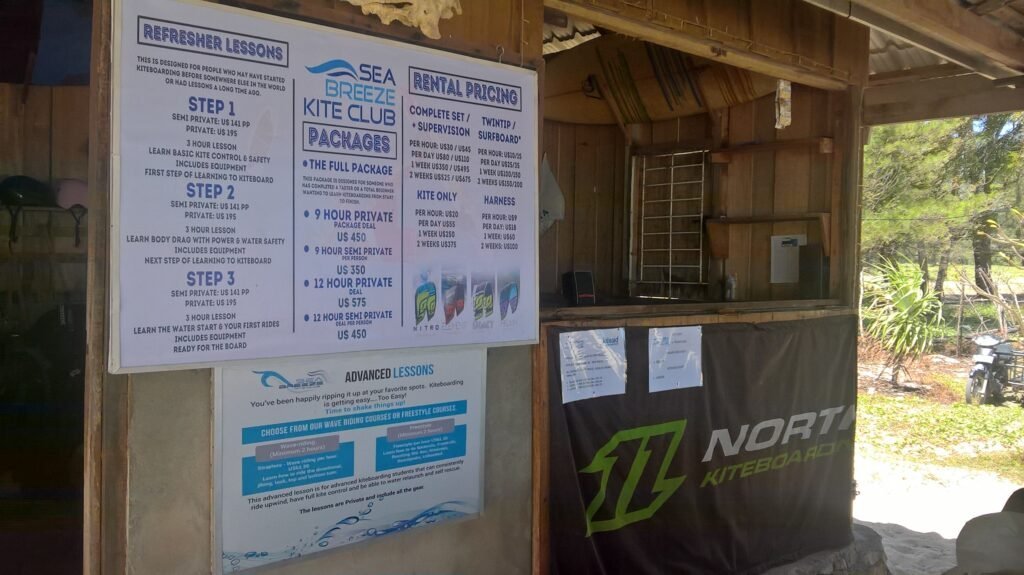
Both countries have fantastic coastlines. Thailand has Phuket, Hua Hin, and Koh Phangan with reliable seasons. Vietnam is world-renowned for Mui Ne and Phan Rang, offering strong, consistent winds and a deeply established kitesurfing community. We have spent seasons in both, and you can find a great water sports lifestyle in either.
3. For slow travelers:
Vietnam is very easy to move through slowly, with excellent trains and buses running the length of the country. Thailand is also highly connected, and the domestic flight network is superb for hopping between regions.
4. For people who need routine:
Thailand offers a softer landing. The infrastructure, the familiarity of certain brands, the quality of housing, and the established expat communities make it easier to build a stable, predictable routine.
5. For people who want adventure:
Vietnam is pure energy. The cities buzz, the street food is unparalleled, and the culture feels dynamic and constantly evolving. It is a place that keeps you on your toes.
6. For couples after 50:
Thailand might be better for couples wanting comfort, easy medical access, and a smooth daily routine. Vietnam is great for adventurous couples who prioritize budget and energetic surroundings.
7. For solo travelers after 50:
Both are safe, but community matters. Thailand has a massive, established expat network making it easy to meet people. Vietnam’s community is growing fast, especially in digital nomad hubs, but it can feel a bit more transient.
Thailand can be wonderful, but we have to be honest: Thai immigration nerves are real. Many long-term visitors feel uncertain because rules, interpretation, documentation, and officer discretion can change. You might read a forum where someone was denied entry for something that was perfectly fine a month ago. This does not mean Thailand is unsafe or impossible. It means you should plan with humility, keep documents organized, and avoid building your whole life on assumptions.
People feel uncertain because of changing visa interpretations, border run concerns, and online rumors that spread like wildfire. Different embassies ask for different documents, and there is often confusion between official rules and agent claims. If you are over 50, you need a backup plan. Don’t let the fear stop you, but do let it make you a smart, prepared traveler. Always check the latest official immigration update before making major life decisions.
One of the most common questions we hear is: will Thailand DTV visa continue? No one outside the official Thai authorities can guarantee the long-term future of the DTV. It may stay exactly as it is, it may change, become stricter, be reinterpreted, or be replaced by a new system. The safest approach is to treat it as a strong current opportunity, not a permanent promise.
People online are worried because they see immigration rules tightening in other areas. Some think it may become stricter as the government evaluates who is actually using it. Others think Thailand needs long-stay visitors to boost the economy and will keep it accessible. What should applicants do now? If the DTV fits your life today, apply for it today, follow the rules meticulously, and always check official sources before applying. Do not rely on hearsay.
Is the Thailand DTV visa still available?
As of our latest research, yes. However, requirements and availability can shift. Always verify with the official Thai embassy or consulate website before planning your application.
Can I really stay in Thailand for 5 years?
The visa validity is 5 years, allowing multiple entries. However, each entry grants you a specific period of stay (often 180 days). You must leave or extend before that period expires. It is a 5-year framework, not a 5-year continuous stamp.
Do I need to leave Thailand every 180 days?
Typically, yes. The DTV requires periodic border runs to maintain your status, though extensions might be possible internally. [Check latest official immigration update] for the exact current intervals.
Can I work online on a DTV visa?
Yes, the DTV is designed to allow remote work for foreign companies, freelancing, and digital nomad activities. However, it does not allow you to take a local job in Thailand. Always review the official permitted activities list.
Is the DTV better than a retirement visa?
It depends on your age and finances. The standard Thai Retirement Visa (O-A/O-X) often requires more substantial proof of income or savings but offers different stay conditions. If you are over 50 and want to work online, the DTV might be more suitable. If you are purely retiring and not working, the retirement visa might be better. Consult a professional for your specific case.
Is Vietnam easier than Thailand for long stays?
Vietnam is easier to enter, but Thailand offers a longer legal framework. Vietnam requires more frequent renewals, while the DTV requires more upfront paperwork but gives a 5-year window.
Why do different embassies ask for different documents?
Visa interpretation is often left to the discretion of the local embassy or consulate. This is a common frustration in Southeast Asian immigration. One embassy might ask for a detailed business plan, while another just wants a bank statement.
Should I use a visa agent?
You can, but be careful. If your situation is straightforward, you can often apply yourself. If your case is complex, a reputable agent can save you time and stress.
Why are there so many agents around Thai visas?
Because the rules can be complex and people are willing to pay for certainty. This market unfortunately attracts both helpful professionals and bad actors looking to exploit confusion.
Can I trust online visa advice?
Use it as a starting point, not a guarantee. Forums are full of anecdotal experiences that may not apply to your nationality or specific situation. Trust official sources above all else.
What happens if Thailand changes the rules?
If rules change, existing visa holders are usually allowed to finish their current stay, but renewals might be affected. This is why you must always have a backup plan and keep your options open.
We want to be fair here. Some visa agents are incredibly useful, legitimate, and save people from bureaucratic nightmares. We have used them ourselves. But the visa market, especially around Thailand, attracts bad actors because of the environment. People are afraid of losing their visa and their new life. Rules can be confusing, applicants do not always know the official sources, and there are language barriers. This creates a perfect storm of desperation.
Bad agents exploit this. They use pressure tactics, offer promises of guaranteed approval, and sometimes even use fake documents or claim unofficial “connections.” They target people wanting shortcuts.Warning: Be careful with any agent who guarantees approval, asks you to lie, offers fake paperwork, refuses written pricing, avoids official receipts, or tells you not to check official sources. A legitimate agent will help you navigate the system, not bypass it illegally.
Thailand may be better for people who want a longer visa structure. If you are over 50 and want reliable healthcare access, Thailand’s international hospitals are hard to beat. It is also ideal for people who like comfort and routine, cyclists who want long routes and familiar tourism infrastructure, and couples who want a softer landing. If you are building online income and want an established ecosystem of expat services, Thailand—especially with the DTV—is a fantastic choice. It remains one of the best places for digital nomads seeking stability.
Vietnam may be better for people who want lower daily costs without sacrificing quality of life. If you love city energy, vibrant street life, and incredible food, Vietnam is hard to top. It is a brilliant place to test Asia before committing to a 5-year plan. It suits people who are flexible with visa runs or shorter stays, who love culture and movement, and who do not need a 5-year framework just yet. It is an adventure, pure and simple.
Writing as Maurice and Joanna, at this age, we would not choose only the cheapest country. We would look at visa stability, healthcare, lifestyle, energy, transport, work options, safety, sports, weather, and whether the place helps us live better, not just cheaper. We care about cycling, kitesurfing, working online, staying active, avoiding burnout, and having enough stability to build something slowly. This is the core of Nomads By Choice After 50.
If we had to choose today, we would weigh the Thailand DTV visa for expats over 50 heavily because of the 5-year framework and the healthcare peace of mind. But we would always keep Vietnam in our back pocket as the ultimate, energetic backup. It is about finding the right fit for your personal digital nomad guide to life.
| If you want… | Choose Thailand/DTV if… | Choose Vietnam if… |
|---|---|---|
| A long-term base | You want a 5-year legal framework to settle in. | You prefer shorter commitments and flexibility. |
| A low-cost test period | You are okay paying more for comfort and infrastructure. | You want the absolute lowest daily living costs. |
| Remote work legality | You want a visa explicitly designed for remote work. | You work quietly and don’t mind a less specific visa. |
| Healthcare comfort | You prioritize world-class private hospitals. | You are healthy and comfortable with local clinics. |
| Adventure | You like a mix of modern life and nature. | You crave buzzing, high-energy city streets and deep culture. |
| A sports lifestyle | You want great roads for cycling and established kitesurfing schools. | You want consistent wind seasons and cheap coastal living. |
| Simple living | You appreciate established expat routines and familiar services. | You enjoy navigating a more dynamic, evolving daily environment. |
| A couple lifestyle | You want a soft landing and easy communication. | You are an adventurous couple prioritizing budget. |
| Budget pressure | You have a comfortable buffer for visas and healthcare. | You need to stretch your savings or pension as far as possible. |
| Visa stability | You want fewer renewals over a 5-year period. | You don’t mind doing a visa run every few months. |
| A backup country | Vietnam is a great backup if Thailand tightens rules. | Thailand is a great backup if you need better medical care. |
There is no single best country in Asia for expats over 50. Thailand may offer more structure and comfort for some people, especially with the DTV if it fits your situation. Vietnam may be better for testing, lower costs, and a more energetic lifestyle. The best choice depends on your health, income, appetite for uncertainty, lifestyle goals, and how much stability you need. Both countries offer incredible opportunities to slow down, stay active, and reinvent your life.
The goal is not to escape your life. The goal is to build the next chapter carefully, honestly, and with your eyes open.
Want more practical guides about living abroad, remote work, and starting again after 50? Visit Nomads By Choice After 50 and join our email list.