
Here’s something that’ll make you sit up: nearly 1 in 8 over-60s have already returned to work or plan to rejoin the workforce in 2026, and a lot of them are doing it by combining pension and remote work into one flexible, freedom-friendly setup. No Karen, that’s not a sign people failed at retirement. It’s a sign they finally figured out how to design it on their own terms.
I’m Jo. My partner Maurice and I have spent over 20 years living, working, and recalibrating across Thailand, Indonesia, Vietnam, Laos, Greece, and the Dominican Republic. So when we talk about combining pension and remote work, we’re not theorizing from behind a desk. We’ve lived it, messily and beautifully.
Key Takeaways
| Question | Quick Answer |
|---|---|
| Why combine pension and remote work? | A pension covers your baseline. A small remote income tops up the “extras,” kills money stress, and keeps your brain switched on. |
| How much do I actually need to earn? | Just your survival number, the absolute minimum your pension doesn’t already cover. Often far less than people fear. |
| Where does this work best? | Lower-cost bases like Thailand and Southeast Asia, where a modest pension stretches surprisingly far. |
| What kind of work fits? | Freelancing, consulting, content writing, AI-assisted gigs and other work from home after 50 options. |
| Is it realistic at my age? | Yes. By 50-something, you’ve got skills, contacts, and a sense of who you actually are. That’s leverage, not a liability. |
| What’s the biggest risk? | Overcomplicating it. Start small, protect your health cover, and don’t quit the pension to chase a fantasy. |
Why Combining Pension And Remote Work Beats Either One Alone
Most of us were taught that retirement is a cliff edge. You work, then one day you stop, then you live off whatever’s in the pot. Tidy. Predictable. A bit grim.
The trouble is that a pension on its own rarely buys the life people actually picture. It keeps the lights on. It doesn’t always fund the flights, the slow travel, the long lunches by the sea.
That’s where combining pension and remote work changes the whole equation. Your pension becomes your reliable floor. Your remote income becomes the juice on top.
And the beauty is you’re not gambling everything on a side hustle. You’ve already got a safety net underneath you, which means you can be picky, patient, and a lot calmer than you were at 30.
We were taught to climb the ladder, not leap off it. Turns out you can do neither and just walk sideways into something better.
Best For Stretching A Modest Pension: The Working Traveller Model
Here’s the question I get most often. “But Jo, how do you actually pay for it?”
The honest answer is that we chose the “backs against the wall, better make it work” method, which I don’t necessarily recommend. The smarter route is the Working Traveller model, and it’s built precisely for combining pension and remote work without the panic.
You fund your life with a small, manageable online business or freelance remote work that simply covers the gap your pension doesn’t. This is where the digital nomad mindset earns its keep.
You don’t need a fortune. You need a side income that covers your survival number, the absolute minimum you need monthly once your pension is accounted for.
Once you know that figure, the whole thing stops feeling impossible. We dig into realistic income ideas, AI tools, and digital nomad jobs in our Silver Sabbaticals guide, but the principle is dead simple: small money plus a cheap base equals enormous freedom.
Best For Soul And Budget: Working Because You Want To, Not Just Because You Have To
Let’s bust a myth. Combining pension and remote work isn’t only a money rescue. For a huge chunk of us, it’s a choice.
Surveys keep showing the split: half of returning workers do it for the budget, half do it because they genuinely enjoy the work. Remote work happens to satisfy both at once.
I’ve felt this personally. A few hours of writing or consulting a week keeps my mind sharp and my identity intact. I’m still Jo the solopreneur, not “Jo who used to do something.”
That’s the quiet gift here. You get to keep a slice of purpose without strapping yourself back onto the conveyor belt full-time.
Best Places For Digital Nomads Over 50 To Make This Work
So where do you actually go? After two decades on the road, we’ve got opinions.
The best places for digital nomads over 50 combine low costs, decent healthcare, and a community that gets it. Here’s our shortlist of the best countries for digital nomads who want a sabbatical with substance.
- Thailand — our number one. Affordable, warm, and packed with 50+ nomads. Start with our cost of living in Southeast Asia guides.
- Vietnam — cheap, energetic, and a foodie dream.
- Portugal — Europe’s friendliest base for a digital nomad visa.
- Indonesia — Bali’s still got it, despite the hype.
- Greece — slower pace, golden light, and we loved every minute.
The maths is what makes these places magic. A pension that feels tight in London or New York can feel positively generous once you’re settled into a lower-cost base.
That gap between what your pension buys “at home” versus abroad is the secret engine of the whole digital nomad lifestyle after 50.
This infographic outlines five key considerations when blending pension planning with remote work, helping readers balance retirement goals with flexible work.
Best Remote Work Options For Combining Pension And Remote Work
You don’t need to reinvent yourself. The whole point of combining pension and remote work after 50 is that you lean on what you already know.
Here are the routes we’ve seen work, again and again, for people who want to work from anywhere:
- Consulting in your old field. Forty years of experience doesn’t evaporate the day you collect your pension. Sell the wisdom, not the hours.
- Freelance writing and content. This is how Maurice and I cut our teeth online. Steady, flexible, and laptop-light.
- AI-assisted gigs. Learning a few smart tools can turn a slow afternoon into a tidy income. We’re proof you’re never too old to adapt to new tech.
- Affiliate and niche projects. Slow to build, lovely once it runs. A long game, but a real one.
- Coaching and teaching. Language, skills, life experience. People pay for the things you take for granted.
None of these need to be empires. They need to cover your survival number and leave you energy for the rest of your life. That’s the whole brief.
For the nuts and bolts of getting started, our work from home after 50 section walks through the realistic options without the hype.
Best For Reducing Stress: The Hidden Savings Of Remote Work
Here’s a part people forget. Remote work doesn’t just add income. It quietly slashes costs too.
No commute. No expensive work wardrobe. No sad desk sandwich at city prices. Combine that with a lower-cost base abroad and the savings compound fast.
That’s effectively a pay rise you give yourself, and it stacks neatly on top of your pension. Money you’d have burned on getting to an office becomes money for your next adventure.
Best Way To Protect Yourself: Health Cover And Avoiding Rookie Mistakes
I’d be doing you a disservice if I made this sound effortless. It isn’t. We did plenty of it the hard way.
The two things that trip people up most are health insurance and underestimating the admin. Sort your cover before you go, not after something goes wrong.
Our health insurance after 50 guides exist because we’ve watched this catch good people off guard. Get it right, and you can relax into the lifestyle properly.
It’s also worth reading up on the common problems people hit abroad before you book anything. Visas, banking, tax on remote income, the occasional bureaucratic headache. None of it’s a dealbreaker, but all of it deserves a plan.
Combining pension and remote work works best when the boring stuff is locked down first. Then the freedom feels earned.
Best For Easing In: Treat It As A Silver Sabbatical First
If quitting everything tomorrow feels reckless, don’t. There’s a gentler on-ramp.
Think of your first attempt at combining pension and remote work as a trial run. A grown-up gap year. Think professional gap year, but with more wisdom and less hostel snoring.
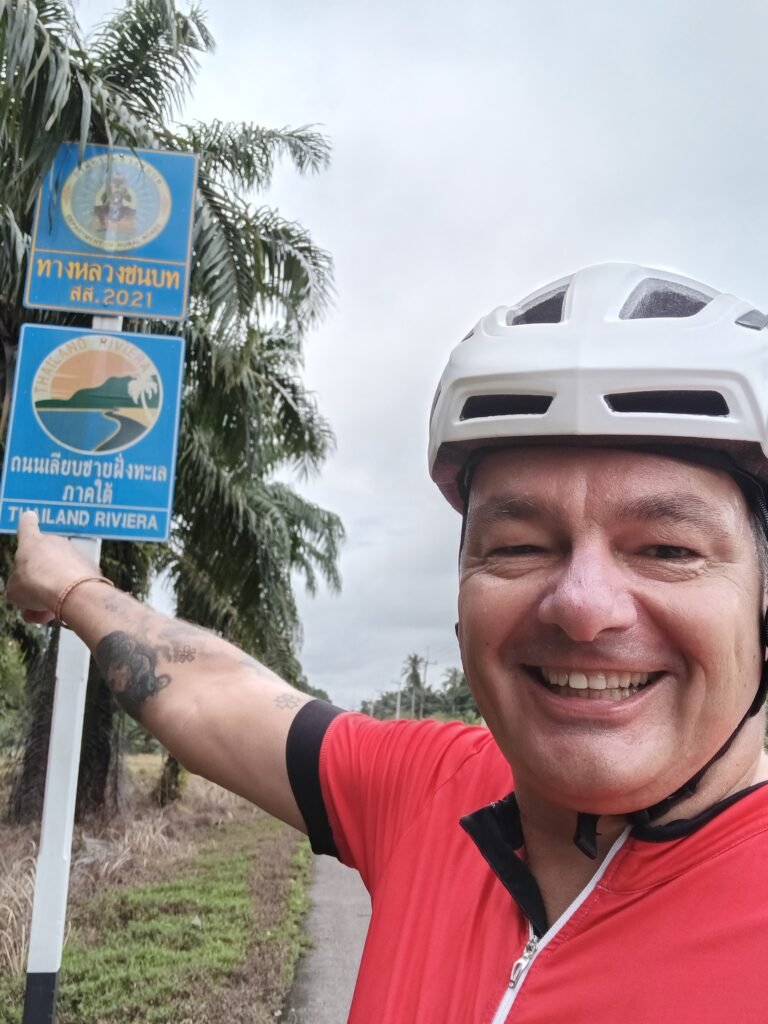
Pick one lower-cost base. Take a small remote income with you. Live there for a few months and see how the numbers and the mood actually feel. Trust us, because we cycled recently 4.000 km through South Thailand for 8 months to find our home. 🙂
It’s a mindset of recalibration, not a date on your passport. You can always come home. Most people don’t want to, but the door’s open either way.
If you want the full playbook on this stage of life, our Nomads By Choice After 50 home base is where we keep plotting it all out, one honest article at a time.
Conclusion
Combining pension and remote work isn’t a fallback for people who didn’t save enough. It’s a deliberate, rather clever way to buy yourself more freedom, more purpose, and a life that actually fits you.
Your pension holds the floor. A modest remote income lifts the ceiling. A lower-cost base does the rest, and suddenly the impossible looks like a Tuesday.
We’re proof it can be done, well past 50. Freedom after 50 starts with a choice, and combining pension and remote work might just be the smartest one you make.
Frequently Asked Questions
Is combining pension and remote work actually worth it in 2026?
For most people over 50, yes. Combining pension and remote work lets you cover your baseline costs with the pension while a small remote income handles the extras, which is exactly why so many over-60s are rejoining the workforce on flexible terms this year.
How much remote income do I need if I’m already drawing a pension?
Only enough to hit your survival number, meaning the gap your pension doesn’t already cover. In a lower-cost base abroad, that figure is often far smaller than people expect, sometimes just a few hundred a month.
Will working remotely affect my pension?
It depends on your country’s rules and your pension type, so check the specifics before you start. In many cases a private or state pension keeps paying regardless of remote earnings, but tax and thresholds vary, so it’s worth a quick word with a professional.
What are the best countries for digital nomads who want to combine a pension with remote work?
Thailand is our number one, followed by Vietnam, Portugal, Indonesia, and Greece. These are some of the best places for digital nomads over 50 because they pair low living costs with decent healthcare and a friendly community, and several offer a digital nomad visa.
Am I too old to start remote work after 50?
Absolutely not. By 50-something you’ve got skills, contacts, and judgement that younger workers are still building, and remote work participation for the 55+ crowd has held steady at up to a quarter of that age group.
What kind of digital nomad jobs suit someone over 50?
Consulting in your old field, freelance writing, AI-assisted gigs, coaching, and niche affiliate projects all work well. The goal isn’t to build an empire, it’s to fund a flexible digital nomad lifestyle that lets you work from anywhere.
What’s the safest way to try this without risking my retirement?
Treat it as a Silver Sabbatical first. Take a small remote income to one lower-cost base for a few months, test the numbers in real life, and keep your pension and health cover firmly in place before committing to anything bigger.